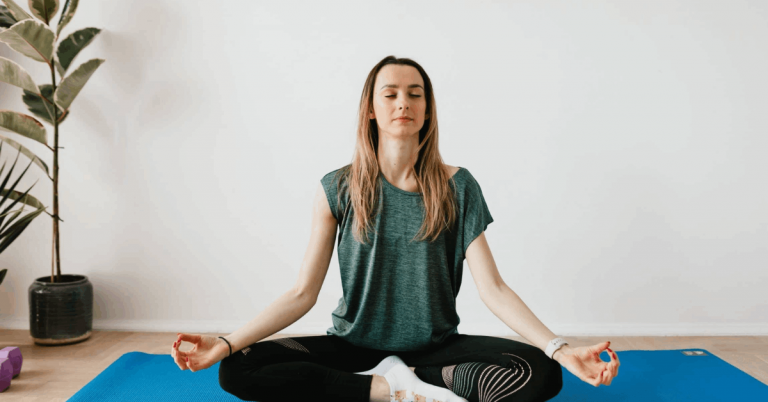
Taking care of our emotional health is something many of us overlook, but it quietly shapes how we feel every single day. If you’ve ever wished you could respond less reactively or just feel a little lighter emotionally, deepening emotional awareness may be the path forward.
This article is for anyone who wants to start recognizing, understanding, and managing their emotions—whether you’re looking to reduce stress, build stronger relationships, or just feel more in control. The benefit? Greater resilience, clarity, and day-to-day happiness. Let’s explore how you can improve your emotional awareness, step by step, as part of your everyday wellness routine.
What Is Emotional Awareness and Why Does It Matter?
Before you can improve something, it helps to know what it is. Emotional awareness means noticing, understanding, and naming what you feel as you feel it. It’s about being honest with yourself without judging those feelings as “good” or “bad.”
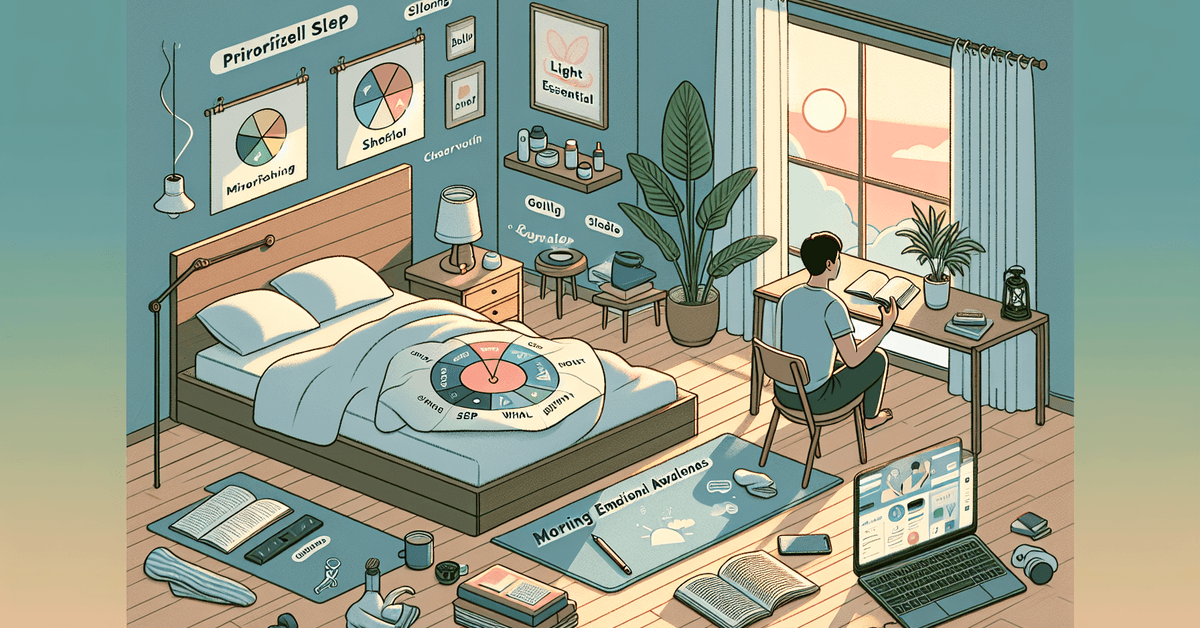
Why does this matter? Well, being more aware of your emotions can help you make healthier choices, communicate better, and feel less overwhelmed. You begin to notice patterns and triggers, allowing you to respond instead of just react.
Simple Habits to Grow Daily Emotional Awareness
Let’s be practical. Improving emotional awareness isn’t about dramatic changes. It’s about building small habits into your day. Here’s how I approach it:
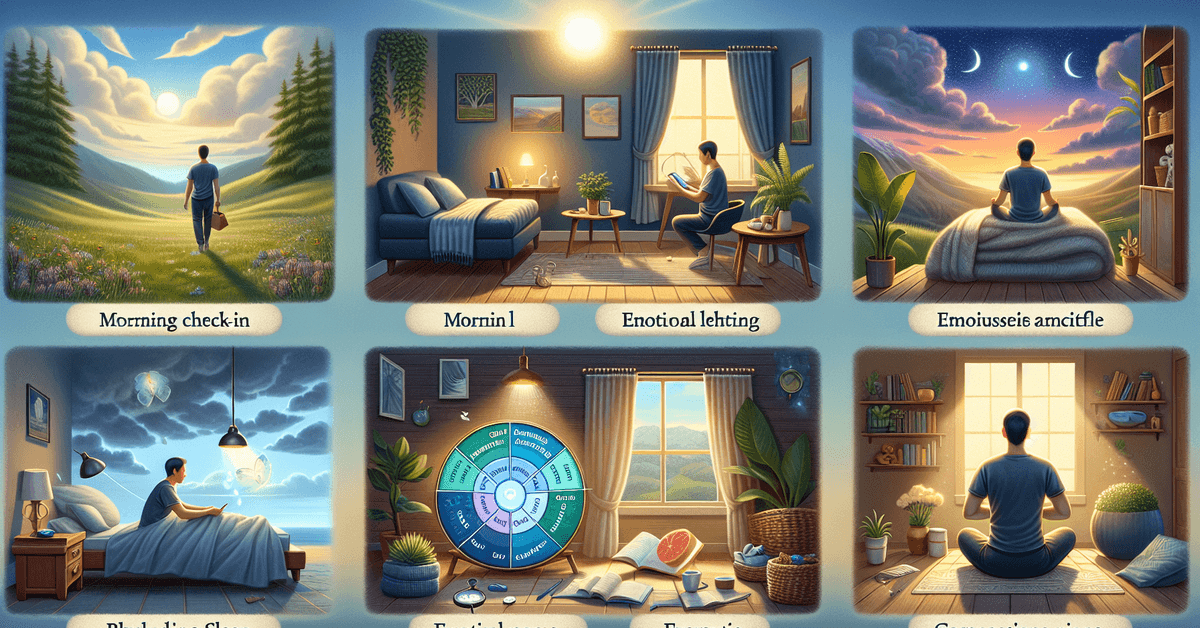
Start With a Morning Check-In
Every morning, before grabbing my phone, I take a moment to notice how I’m feeling. Is there tension in my chest, a sense of lightness, or maybe a quiet worry?
- Ask yourself: What am I feeling right now?
- Try to name the emotion—happy, anxious, hopeful, tense, curious, something else?
- Notice any physical sensations tied to that feeling.
Over time, this gets easier. I often jot a word in my planner to capture that feeling—it’s a gentle way to track my moods.
Practice Mindful Breathing
Mindfulness is a bit of a buzzword, but honestly, it works for tuning into emotions. I try a simple breathing exercise at lunch (it literally takes five minutes and can change my mood).
- Close your eyes and breathe in for a count of four, out for six.
- As you breathe, ask: What emotion is present?
- Let any feeling—pleasant or uncomfortable—be there without rushing to change it.
Use Emotion Naming Throughout the Day
Emotional vocabulary matters. If I notice I’m snappy or withdrawn, I try to be curious: Am I irritated, embarrassed, lonely? Sometimes the right label makes all the difference.
Quick Tip: Keep an emotion wheel handy or bookmark one online. It’s surprisingly helpful when you’re stuck for words.
Reflection Routines: How Looking Back Helps You Move Forward
By the end of the day, I find it useful to pause and reflect. A few honest questions can go a long way in strengthening emotional intelligence:
- Which emotion showed up most today? Was it joy, impatience, calm, or something else?
- Did anything trigger strong feelings? Can I spot a pattern?
- How did I respond to those emotions? Do I wish I’d acted differently?
I used to think journaling was a chore, but even a short note in my phone helps. Sometimes, just admitting “I felt overwhelmed after that meeting” gives me a sense of clarity I wouldn’t get otherwise.
Building Emotional Awareness Into Healthy Habits
Emotional wellness links to so many daily practices. Here’s what I’ve learned to integrate for better results:
Prioritize Regular Sleep
Lack of sleep makes emotions swing more wildly; I notice I overreact when I’m tired. Try to keep a steady sleep schedule—your emotional stability will thank you.
Move Your Body
Exercise doesn’t just help physical health. Even a quick walk, some stretching, or dancing to a favorite song shifts emotional energy and offers time to process what I’m feeling.
Practice Gratitude and Self-Compassion
When I acknowledge small wins or deliberately thank myself, my mood lifts a little. Self-compassion isn’t always easy, but it’s essential—especially on rough days.
| Habit | Emotional Benefit | How to Start |
|---|---|---|
| Morning Check-In | Recognize emotions | Ask yourself, “How do I feel?” |
| Mindful Breathing | Reduces reactivity | Take 5 deep breaths at lunch |
| Daily Reflection | Increase insight | Note one emotion before bed |
| Physical Activity | Emotional release | 10-minute walk in afternoon |
Dealing With Emotional Triggers: What If You Get Stuck?
No journey is linear, and improving emotional awareness sometimes means facing difficult feelings. There are days I still feel stuck. When that happens:
- I take a small break—step outside if possible, pour a glass of water, or just stretch for sixty seconds.
- I remember that emotions are messages, not instructions. Not every urge needs a response.
- If I can’t shake off a heavy mood, I’ll consider talking to someone I trust (sometimes a professional, sometimes just a friend).
Progress isn’t about perfection. It’s about being a little more honest with myself than I was yesterday—and sometimes, that’s enough.
Linking Emotional Awareness to Self-Care and Well-being
Emotional awareness sits at the heart of self-care . If I don’t know what I need emotionally, how can I meet those needs?
Try linking your check-ins to other self-care routines. For example, pair your emotional check-in with your evening skincare, or practice identifying emotions while making your morning coffee.
Need extra support? There are excellent online resources—websites like Mind or Mental Health Foundation —which offer practical advice on understanding feelings.
Using Emotional Awareness in Relationships
Perhaps one of the biggest changes I’ve noticed from regularly practicing emotional awareness is feeling less defensive in conversation. When I pause to notice what I’m experiencing, it often helps me communicate more clearly.
If you’d like to deepen your relationships, try gently naming your emotions in conversation: “I feel a bit anxious about that, if I’m honest.” It’s surprising how much more open others become when I do this.
When to Seek Professional Help
Sometimes, our emotions feel too much to handle alone. If you notice a constant sense of sadness, or if you feel emotionally overwhelmed most days, reaching out to a therapist or counselor is a wise, brave step. There’s no shame in seeking help—that’s a form of self-awareness, too.
Conclusion: Start Small, Stay Curious
Improving emotional awareness daily isn’t about becoming perfectly Zen. It’s an ongoing process—sometimes repetitive, sometimes messy—and that’s absolutely normal.
The smallest effort to notice your feelings, even once a day, plants a seed for lasting emotional well-being. Try a morning check-in tomorrow, or simply spend five minutes breathing at lunch. The journey isn’t always predictable, but every step matters.
Ready to take charge of your emotional wellness? Start with one of these simple habits today, and notice how your clarity—and your sense of calm—slowly begin to grow. For more on building daily emotional routines, explore our Emotional Wellness guides .